Food delivery jobs in Europe give you a quick way to earn money with flexible hours and simple entry requirements.
In this guide, you will understand how pay works, what conditions you can expect on the road, and which cities and countries offer the best opportunities.
You will also see how to choose the right app, meet the legal requirements, and turn this work into a stable part-time or full-time income.
How the Food Delivery Market Works in Europe
You work in a competitive market where big apps and local players fight for customers.
Demand changes by city, season, and time of day, so your income depends on where and when you work.
- Major International Platforms – Big apps operate in many countries and set standard fees and bonuses.
- Local and Regional Apps – Smaller apps lead in some cities and can sometimes pay more.
- Urban Demand – Large cities with offices and tourism generate constant orders.
- Peak Hours and Days – Lunch, dinner, weekends, and bad weather bring more orders.
- Seasonal Trends – Winter, holidays, and tourist seasons usually increase demand.
- Transport Modes – Bikes in dense areas; scooters and cars in wider or suburban zones.
- Work Models – Some hire you as staff; others use you as a freelance courier.
- Local Rules – Laws and taxes differ by country and affect your status and pay.
Types of Food Delivery Jobs
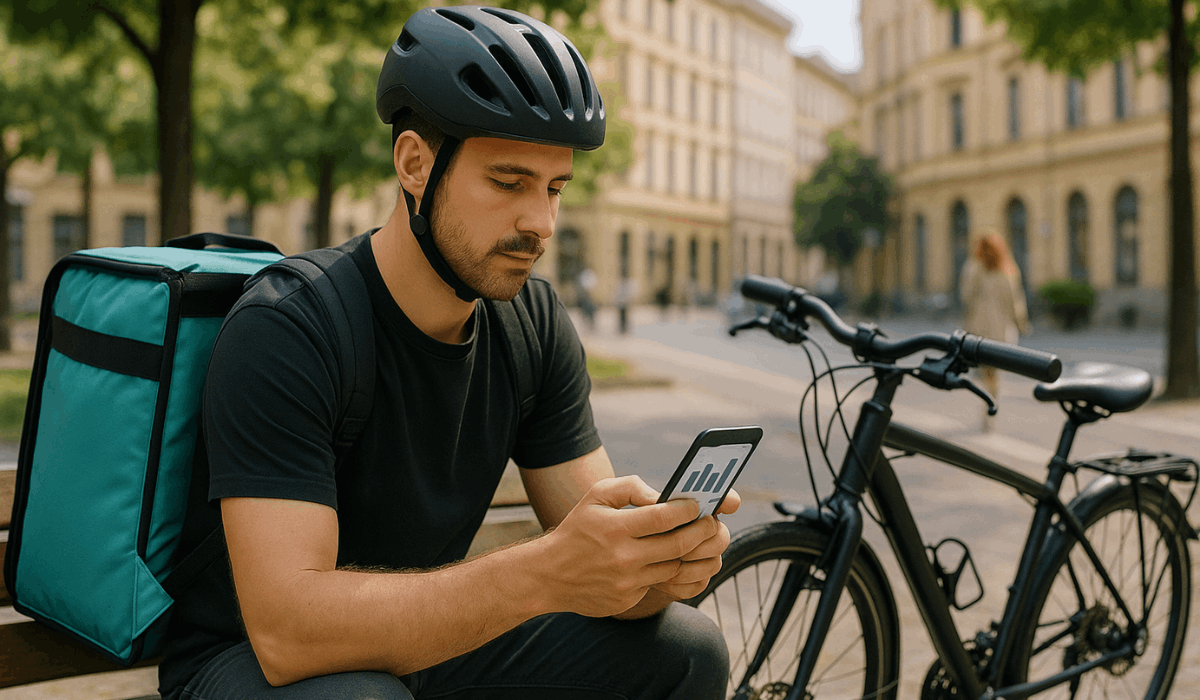
There are several ways you can work in food delivery, not just as a rider.
Knowing the main job types helps you choose the role that fits your skills, schedule, and long-term plans.
Here are the main types you can include in your article.
- App-Based Rider / Courier – You deliver food for apps using a bike, e-bike, scooter, or car on flexible shifts.
- In-House Restaurant or Supermarket Courier – You work directly for a single brand with fixed shifts and a regular contract.
- Dark Store / Grocery Delivery Picker – You prepare and pack orders in a warehouse or “dark store” for riders to deliver.
- Kitchen and Dispatch Support Staff – You help manage orders, coordinate riders, and handle issues from the store or hub.
- Customer Support and Operations Roles – You work in offices or remotely, solving delivery problems and supporting riders and customers.
- Fleet and Logistics Coordinator – You manage fleets, schedules, delivery areas, and performance data for a delivery company.
Basic Requirements and Eligibility
Before you apply for food delivery jobs in Europe, you need to meet some basic rules.
These cover your age, legal status, documents, vehicle, and health. Here’s a simple list you can use in your article.
- Minimum Age – You usually need to be at least 18 years old to work as a rider.
- Right to Work – You must have a valid work permit, visa, or EU citizen status for that country.
- ID and Documents – You need a valid ID or passport, sometimes proof of address, and a bank account.
- Clean Record (Sometimes) – Some companies may ask for a basic background or criminal record check.
- Vehicle Access – You must have a bike, e-bike, scooter, or car, or access to one via rental.
- Driving License – Needed for scooters, motorcycles, and vehicles, and it must be valid in that country.
- Insurance – You may need personal or vehicle insurance, depending on local rules and company policy.
- Smartphone and Data – You need a modern phone with mobile data to use the delivery app and navigation.
- Language Skills – Basic level of the local language or English to understand instructions and communicate.
- Physical Fitness – You should be fit enough to ride, walk, and carry orders for several hours.
How Pay and Earnings Work
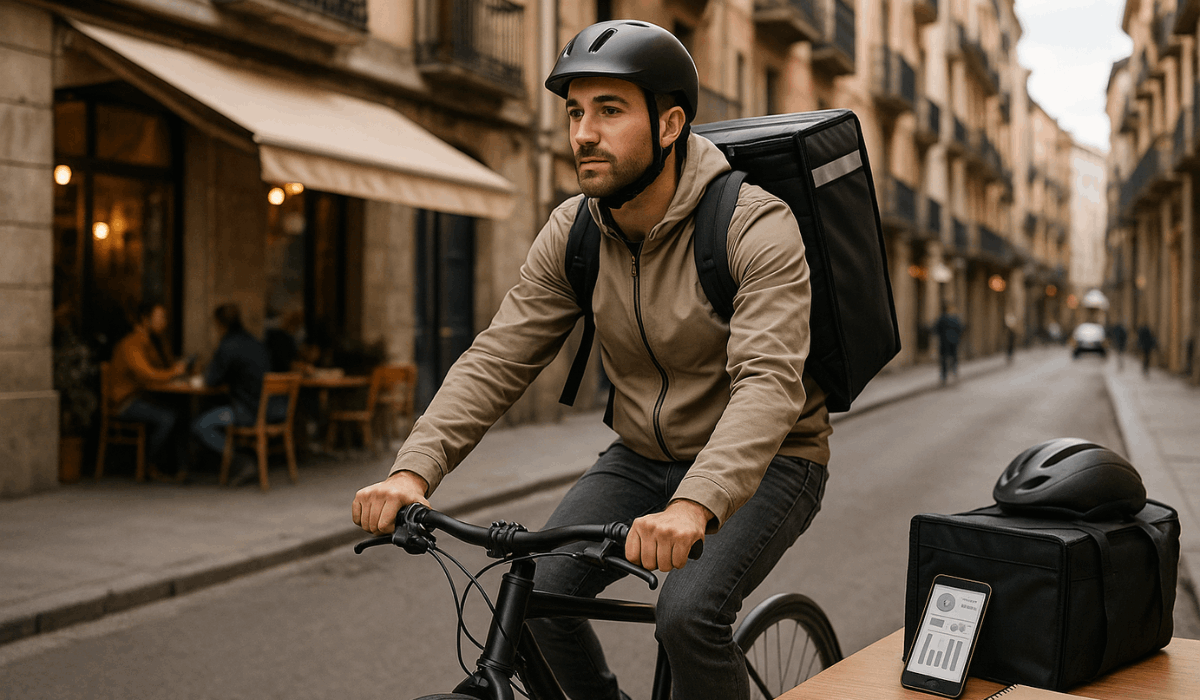
Your pay in food delivery comes from each order you complete, plus tips and bonuses, minus your own costs.
You need to focus on net income per hour, not just what the app advertises. Here’s a simple breakdown you can use in your article.
- Base Pay per Order – You earn a fixed amount for each delivery, often based on distance and time.
- Distance and Time Extras – Longer trips or slow traffic can add small extra payments.
- Peak and Surge Bonuses – You get higher pay during busy hours, bad weather, or special promotions.
- Quest / Mission Bonuses – Some apps pay extra if you complete a set number of orders in a given time.
- Tips from Customers – You keep tips (where allowed), which can significantly boost your hourly income in good areas.
- City and Country Differences – Pay-per-order and average hourly rates vary across countries and even within cities.
- Your Main Expenses – You pay for fuel or charging, maintenance, repairs, and safety gear out of your own pocket.
- Platform and Tax Deductions – In some cases, there may be platform fees, taxes, or social contributions taken from your pay.
- Net Earnings per Hour – Your real income is what is left after subtracting all costs and taxes from your total payouts.
Typical Earnings by Region
Food delivery pay in Europe varies widely by region and city. Use these ranges as rough guides and always check current local offers.
- Western Europe (Germany, France, the Netherlands) – Around €10–€15 per hour before costs in many big cities.
- Northern Europe (Sweden, Denmark, Norway, Finland) – Often about €12–€20 per hour, but with higher taxes and living costs.
- Southern Europe (Spain, Italy, Portugal, Greece) – Many riders earn roughly €7–€12 per hour, with higher rates in major tourist areas.
- Central and Eastern Europe (Poland, Czechia, Hungary, Romania) – Often about €4–€9 per hour in local currency equivalent.
- Tourist Hotspots and Capitals – Busy capitals and tourist cities can pay above the national average in high season.
How to Apply: Step-by-Step
Applying for food delivery jobs in Europe is usually quick and primarily online. You need to prepare your documents, choose the right app, and follow a few simple steps.
Step 1 – Check Basic Requirements
- Make sure you meet the minimum age, have the right to work, and can use a bike, scooter, or car if needed.
Step 2 – Pick One or Two Apps
- Compare pay, bonuses, contract type, and reviews, then choose the platforms that fit your city and schedule.
Step 3 – Prepare Your Documents
- Get your ID or passport, work permit or visa, driving license (if needed), bank details, and proof of address ready.
Step 4 – Create an Online Account
- Register on the website or app with your email and phone number, then confirm your account.
Step 5 – Complete the Application Form
- Fill in your personal data, city, vehicle type, and availability, and add any previous delivery or driving experience.
Step 6 – Upload Documents and Do Training
- Upload clear photos of your documents and complete any short online training videos or quizzes the app requires.
Step 7 – Get Approved and Start Deliveries
- Wait for confirmation, log in to the app, set your payment details, and accept your first orders when your account is active.
To Sum Up
Food delivery jobs in Europe give you a flexible way to earn money if you understand the real pay, requirements, and daily routine.
By choosing the right app, planning your hours, and tracking your net income, you can turn this work into a stable side job or even a full-time role.
Now take the next step and check which platforms are hiring in your city, compare their pay, and start your application.