In 2025, Glencore Mining Jobs continue to post rolling intakes across mining, processing, logistics, and corporate teams, especially in South Africa and wider African operations.
Glencore operates across more than thirty countries with a workforce around 150,000, so vacancies refresh often and closing dates vary by site and function. Fraud screening matters as well, since legitimate hiring never requires payments at any stage.
What Glencore Does and Where Roles Sit
Glencore is one of the world’s largest diversified natural resource companies, producing and marketing more than sixty commodities used in everyday life, energy systems, and industrial supply chains.
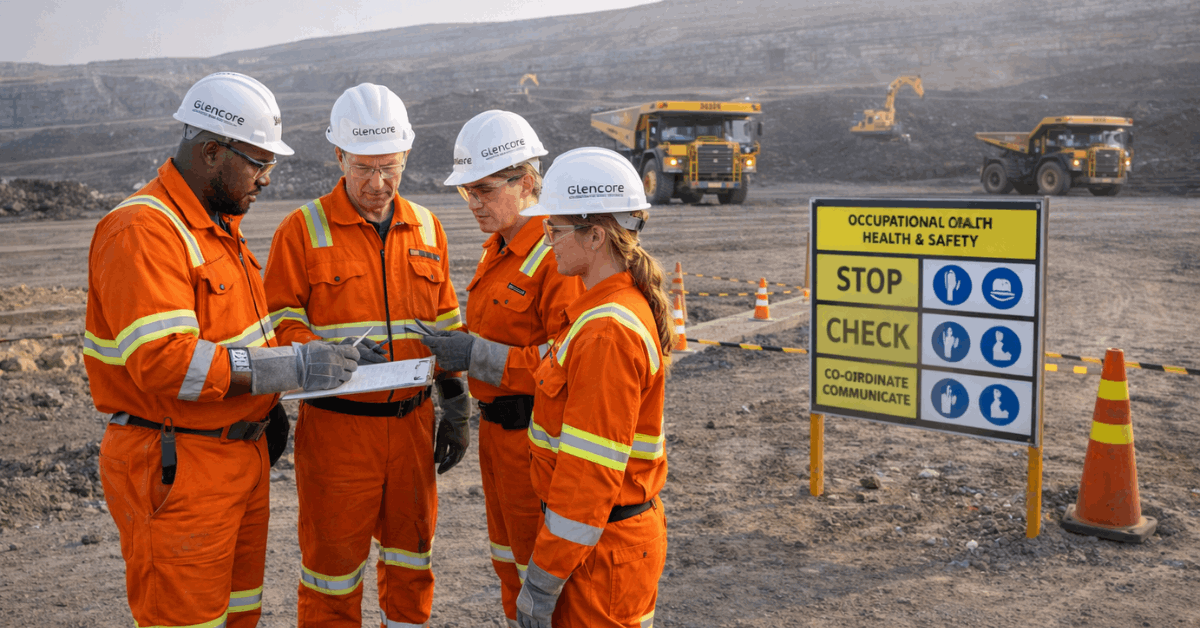
Mining and processing teams focus on extraction, concentrators, smelters, and refineries, while marketing teams handle offtake, shipping, and customer logistics.
Corporate roles support these operations across finance, risk, compliance, technology, and sustainability. Headcount sits at roughly 150,000 employees and contractors globally, across a footprint in 30+ countries.
Latest Intakes: Jobs and Learnerships In 2025
Hiring runs year-round, with clusters around graduate programmes, seasonal internships, and asset-level requirements in Africa.
Expect frequent postings in engineering, mining operations, geology, maintenance trades, HSE, and corporate services.
Timing differs regionally, so monitoring official pages and setting alerts improves hit rates. Fraud protection should remain top of mind because authentic processes never ask for fees or bank details in advance.
Mining and Processing Roles
Operations vacancies typically include mining engineers, process metallurgists, plant controllers, artisans, supervisors, drilling and blasting professionals, and heavy equipment operators.
South African coal and copper assets update roles based on plan changes, shutdown schedules, and project milestones, which means availability fluctuates through the quarter.
Regional job boards sometimes mirror corporate listings, but official portals remain the source of truth for live requisitions and accurate closing dates.
Corporate and Support Functions
Corporate teams recruit into finance, accounting, logistics, risk management, commercial analytics, compliance, sustainability reporting, and IT.
These roles support integrated industrial and marketing activities across continents, and many are based in regional hubs or headquarters.
Graduate commercials, finance tracks, and data roles may sit in Baar, London, Johannesburg, or other offices depending on business need.
Learnerships and Apprenticeships
South African operations periodically open learnerships and apprenticeships that combine institutional and on-site training, especially in engineering trades needed to keep plants and fleets running.
Typical disciplines include electrical, fitting, diesel mechanics, instrumentation, and related maintenance specialities, aligned to asset requirements.
Intake windows differ by site, and shortlisted candidates move into structured training and supervised workplace exposure.
Graduate Programmes and Bursaries
Corporate graduate intakes in Switzerland and other hubs close on fixed dates, with the 2025 corporate programme in Baar closing on October 10, 2025.
South Africa Coal also runs a graduate development programme on multiyear rotations, with 2025–2027 intakes advertised and closing dates posted locally.
Bursaries and scholarships support full-time studies in engineering, geology, and finance, often tied to vacation work and future placement pipelines.
How To Find and Apply
Fresh postings appear on official Glencore portals and country pages, and assets sometimes publish regional vacancy feeds. Authenticity checks are essential because impostor listings exist across social platforms and messaging groups.
Use The Glencore Careers Portal
Start on the Glencore careers site, then drill down into Jobs and regional pages for Africa or South Africa to filter open requisitions.
The SuccessFactors environment used by Glencore Copper and related entities provides a single sign-on experience to manage profiles, resumes, and applications.
Asset-level portals might exist in some regions, but links from the corporate site point to the correct entry points.
Set Up A Candidate Profile
Create a profile to store documents, update contact details, and track application status. After profile creation, enable job alerts so matching vacancies arrive automatically and reduce the risk of missing a closing date.
Talent network sign-ups are also offered in certain business units to keep candidates warm for future intakes.
Watch Closing Dates and Fraud Warnings
Closing dates differ by posting, and some graduate programmes review on a rolling basis until the deadline.
Genuine processes never require payments for applications, medicals, equipment, or training, and correspondence comes from official email domains.
Scam guidance pages maintained by Glencore reinforce these principles and provide practical red flags to report.
Glencore Application Process: Step-By-Step
A clean, five-minute read through the workflow helps avoid missteps when applying for Glencore Mining Jobs.
- Submit The Online Application
Attach a current resume and complete required fields; cover letters appear only when the form requests one for a specific role. - Screening and Shortlisting
Local HR reviews submitted information against selection criteria and may conduct an initial telephone or virtual screen. - Interviews
Hiring teams run in-person or online interviews focused on experience, safety mindset, and role fit; panel formats are common in some units. - Assessments
Some processes include role-relevant testing to validate skills, capabilities, and motivations aligned to the job. - Background Checks and Medicals
Pre-employment checks verify qualifications, employment history, and references, and asset-level medicals may apply for safety-critical work. Conflict-of-interest declarations can appear, consistent with Code of Conduct expectations. - Formal Offer and Onboarding
Successful candidates receive an official offer issued via company channels. Onboarding steps vary by location and role, including inductions, safety training, and site access provisioning.
Eligibility, Documents, and Assessments
Most roles require legal working rights in the country of employment, a clean safety record, and qualifications appropriate to the level advertised.
Engineering and artisan roles typically request trade tests or N-level certificates, while graduate tracks require relevant university degrees and sometimes a minimum GPA or equivalent.
Expect to submit identity documents, proof of address where applicable, academic transcripts, and professional registrations during background verification. Where assessments are included, expect competency exercises, technical case prompts, or situational judgment tasks that map to plant realities.
Working at Glencore: Culture, Values, and Safety
Glencore describes its culture as dedicated, driven, and diverse, anchored to values that include safety, responsibility, integrity, openness, simplicity, and entrepreneurial thinking.
Learning platforms cover technical and leadership skills for all stages, and assets invest in structured training to build a pipeline of skilled professionals.
As a large operator balancing present-day energy needs and transition metals, Glencore communicates climate and just transition plans through public sustainability and transition reports tied to country realities such as South Africa’s energy roadmap.

Early-Career Pathways at A Glance
Shortlisting goes faster when programme types and timing are clear. Use this snapshot to align qualifications and timelines.
| Pathway | Typical Duration | Common Fields | 2025 Timing Notes | Added Value |
| Learnerships/Apprenticeships | 12–36 months | Electrical, fitting, diesel, instrumentation | Site-specific windows in South Africa assets | Paid training and supervised plant exposure |
| Graduate Programmes | 24–36 months | Mining, process, mechanical, electrical, finance | Corporate graduate applications in Baar closed Oct 10, 2025; others vary | Rotations, mentorship, professional development |
| Internships/Vacation Work | 6–12 weeks | Engineering, geology, analytics, HSE | Seasonal intakes by region | Project experience and potential pipeline |
| Bursaries/Scholarships | Academic year | Engineering, geology, finance | Announced regionally, often tied to vac work | Tuition support and future placement pathways |
| Talent Network/Job Alerts | Ongoing | Cross-functional | Profile-based alerts against saved searches | Reduces missed closing dates |
Practical Tips To Stand Out For Mining Roles
Most candidates meet the baseline; shortlists usually swing on proof of safety, discipline, and readiness.
- Align resume keywords to the posted competencies, then show site-based results using specific numbers and timeframes.
- Keep certifications current, including medicals and mandatory safety tickets required for plant or underground access.
- Bring examples that connect reliability to throughput, recovery, cost per tonne, or downtime reduction.
- Prepare for case-style prompts and practical scenarios that test risk awareness and decision speed.
- Report suspicious recruiters immediately and apply only through official portals to protect personal data.
How To Verify Authentic Roles Quickly
Fraudulent ads surface frequently, especially in community groups that scrape legitimate brands.
Authentic Glencore emails use official domains, official postings sit on recognised portals, and no one requests money or banking details prior to a formal offer.
When something looks off, stop engagement and contact the company through listed channels on the corporate site or regional pages.
Last Thoughts
Serious applicants treat Glencore Mining Jobs like a process, not a single click. Start on the official careers portal, build a profile, enable alerts, and check closing dates weekly.
Keep documents ready, validate certifications, and prepare concise examples that prove safe productivity in real operations. Applications remain free, and only official channels issue interviews, checks, and offers.