For many consumers in the Czech Republic, choosing a credit card requires balancing several factors. Rewards, annual fees, spending limits, interest rates, and repayment flexibility can all influence whether a card is truly useful or unnecessarily expensive.
The Czech credit card market includes basic no-fee cards, cashback cards, points-based cards, travel-focused cards, and premium options with added benefits. Understanding how these features work can help consumers choose a card that fits their financial habits, lifestyle, and long-term spending goals.



Why Comparing Czech Credit Cards Matters
Credit cards can provide convenience, payment flexibility, and extra value through rewards. However, the best card depends on how the customer plans to use it.
Before choosing a Czech credit card, consumers should compare:
- Annual fees
- Cashback rates
- Points programs
- Interest-free periods
- Credit limits
- Foreign transaction fees
- Insurance benefits
- Digital wallet compatibility
- Premium perks
- Reward restrictions
A card with strong rewards may not be the best choice if the annual fee is too high or if the user carries a balance and pays interest.
Reward Programs on Czech Credit Cards
Reward programs are one of the main reasons consumers compare credit cards. Banks and financial institutions may offer cashback, points, travel perks, or partner discounts.
Common Types of Rewards
Czech credit card rewards often include:
- Cashback
- Points for purchases
- Travel vouchers
- Discounts with partner stores
- Lifestyle perks
- Insurance benefits
- Exclusive event access
Some cards are designed for everyday savings, while others focus on travel, shopping, or premium lifestyle benefits.
Why Rewards Should Match Spending Habits
Rewards are most valuable when they match how the cardholder already spends money. A card with grocery cashback may be useful for families, while a travel card may be better for frequent flyers.
Users should avoid choosing a card only because the reward program sounds attractive. The real value depends on whether the rewards are easy to earn and redeem.
Cashback Credit Cards in Czechia
Cashback is a popular feature in the Czech credit card market. It gives cardholders a percentage of their spending back, often as a statement credit or direct account benefit.
Typical Cashback Rates
Some Czech cards may return around 0.5% to 2% of purchases. The exact rate depends on the card provider, spending category, and card terms.
Cashback may apply to:
- Groceries
- Fuel
- Restaurants
- Online shopping
- Everyday purchases
- Selected partner merchants
Some cards offer cashback on all eligible spending, while others limit cashback to specific categories.
Cashback Limits and Restrictions
Cardholders should always review the rules before relying on cashback. Some cards may include limits that reduce the total value.
Common restrictions may include:
- Monthly cashback caps
- Yearly reward limits
- Excluded transaction types
- Minimum spending requirements
- Partner-only cashback categories
- Reduced rates after a certain threshold
A high cashback rate may look attractive, but caps and exclusions can reduce the actual benefit.
Points-Based Reward Structures
Points-based cards allow users to earn points on eligible purchases. These points can later be redeemed for products, services, discounts, or travel-related rewards.
How Points Programs Work
A typical points program may allow cardholders to:
- Earn points per purchase
- Collect bonus points with partners
- Redeem points for vouchers
- Use points for travel rewards
- Exchange points for products or services
Banks may partner with local stores, e-commerce platforms, airlines, or lifestyle brands to make redemption more appealing.
What to Review Before Choosing a Points Card
Not all points have the same value. Before selecting a points-based card, users should check:
- How many points are earned per purchase
- Which purchases qualify
- How points can be redeemed
- Whether points expire
- Whether redemption values change by category
- Whether annual fees reduce the value
A points card is strongest when the redemption process is simple and the rewards fit the user’s normal spending.
Premium Credit Card Benefits
Some Czech credit cards offer premium features. These cards are usually aimed at frequent travelers, professionals, or high-spending customers.
Common Premium Features
Premium cards may include:
- Airport lounge access
- Travel insurance
- Premium customer support
- Higher credit limits
- Better reward rates
- Exclusive events
- Purchase protection
- Extended warranty benefits
These features can be valuable, but they often come with higher annual or monthly fees.
When Premium Cards Make Sense
A premium card may be worth considering if the user actually uses the included benefits. For example, frequent travelers may benefit from travel insurance, lounge access, and waived foreign transaction fees.
However, a premium card may not be practical for someone who only uses a credit card occasionally. In that case, a basic or no-fee card may be more cost-effective.
Annual Fees on Czech Credit Cards
Annual fees vary widely across Czech credit cards. Some entry-level cards may be free or low-cost, while premium cards may charge several hundred to several thousand Czech crowns per year.
How to Evaluate an Annual Fee
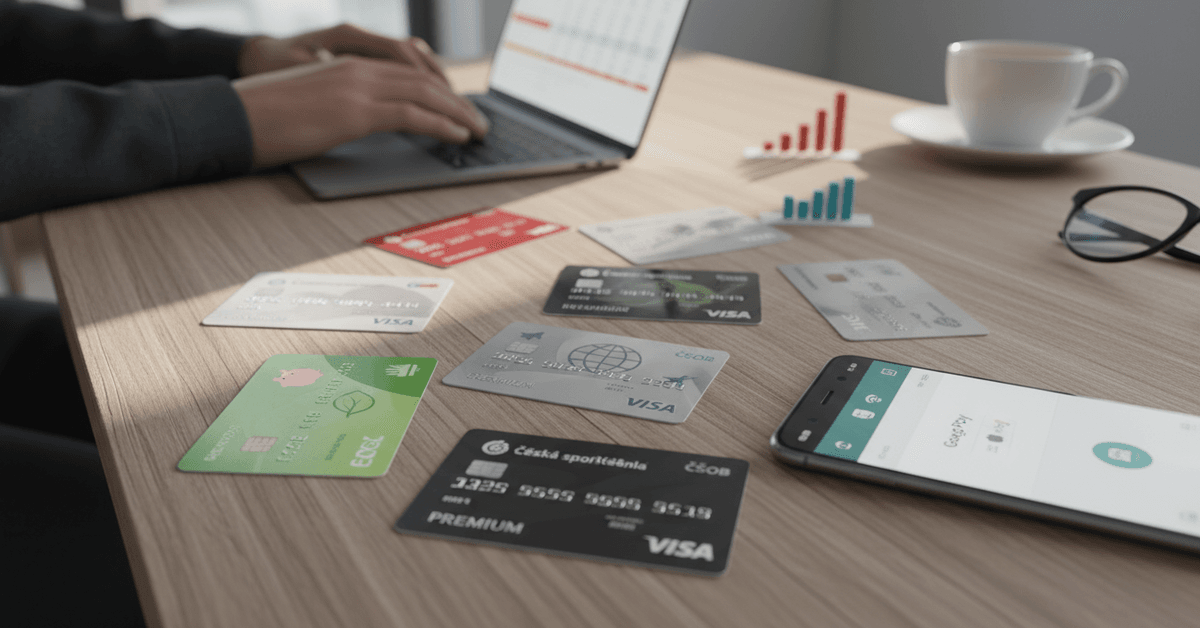
Consumers should compare the annual fee against the actual value they expect to receive.
A useful comparison may include:
- Expected cashback value
- Points redemption value
- Insurance benefits
- Travel perks used during the year
- Foreign fee savings
- Lifestyle discounts
- Included services
If the benefits do not exceed the fee, the card may not be worth keeping.
Fee-Free Cards
Several Czech credit cards are available without recurring annual charges. These cards may have fewer rewards, but they can suit people who want simple payment flexibility without extra yearly costs.
Fee-free cards may be useful for:
- Low spenders
- First-time credit card users
- People avoiding recurring charges
- Consumers focused on basic convenience
- Users who pay balances in full
A no-fee card may offer less reward value, but it can still be practical for responsible everyday use.
Welcome Bonuses and Introductory Offers
Some Czech credit cards offer welcome bonuses to attract new customers. These bonuses can provide extra points, cashback, or other incentives after approval.
How Welcome Bonuses Usually Work
A welcome bonus may require the cardholder to:
- Spend a minimum amount
- Make purchases within a specific time frame
- Keep the account open for a certain period
- Meet activation requirements
- Use the card for eligible transactions
These offers can be attractive, but users should remember that they are usually one-time benefits.
Why Long-Term Value Matters More
A strong welcome bonus should not be the only reason to choose a card. After the promotional period ends, the card’s ongoing rewards, fees, interest rates, and benefits become more important.
Foreign Transaction Fees
Foreign transaction fees can affect the value of a Czech credit card, especially for people who travel or shop online from international merchants.
When Foreign Fees May Apply
Foreign transaction costs may appear when users:
- Travel abroad
- Shop from foreign websites
- Pay in another currency
- Use international merchants
- Make hotel or flight bookings
- Withdraw cash outside Czechia
Some premium credit cards may waive or reduce these fees, which can be useful for frequent international travelers.
What Travelers Should Compare
Before using a card abroad, cardholders should check:
- Foreign transaction fee percentage
- Currency conversion margin
- ATM withdrawal fees
- International acceptance
- Travel insurance coverage
- Emergency card support
These details can help users avoid unnecessary costs during travel.
Credit Limits and Spending Capacity
Credit limits define how much the cardholder can borrow through the card. In Czechia, banks usually set limits based on income, employment status, credit history, and risk assessment.
Why Credit Limits Matter
Credit limits affect:
- Available spending power
- Emergency flexibility
- Reward earning potential
- Credit utilization
- Borrowing risk
- Eligibility for premium products
Higher-tier cards often offer greater limits, but they may also come with higher fees or stricter approval requirements.
Responsible Limit Usage
A higher limit should not be treated as extra income. Responsible users should keep spending within what they can repay comfortably.
Good habits include:
- Paying on time
- Avoiding unnecessary debt
- Keeping balances manageable
- Monitoring monthly spending
- Using alerts for large transactions
- Paying the full balance when possible
Responsible card use can support better financial control.
Comparing Major Czech Credit Card Providers
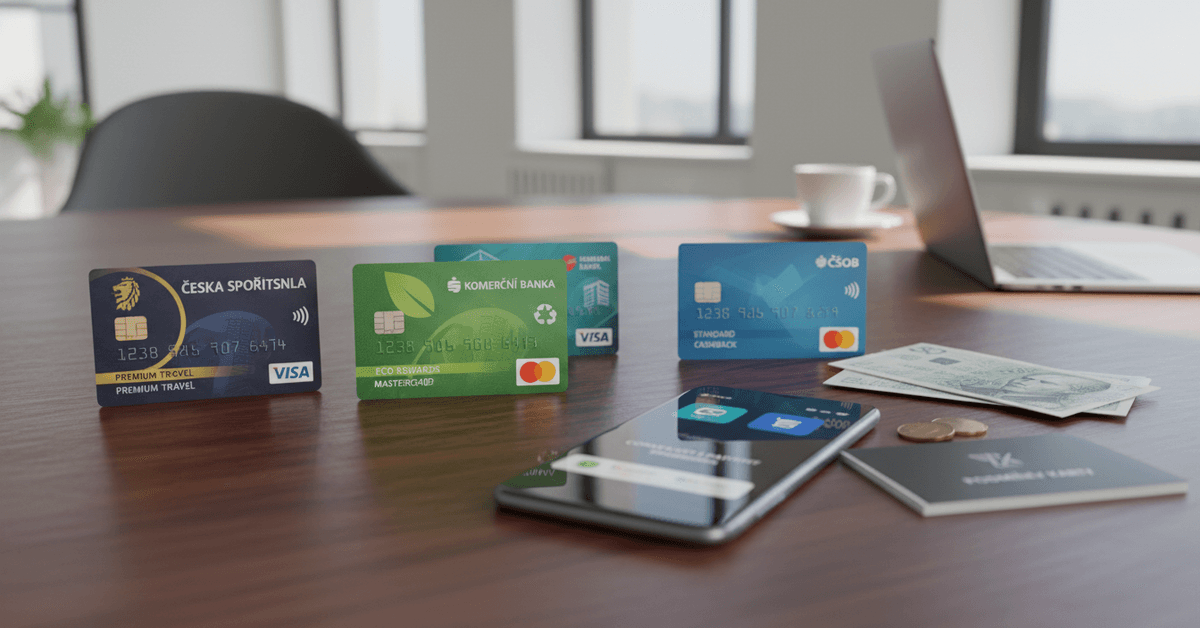
Local banks such as Česká spořitelna, Komerční banka, and ČSOB offer different credit card products. Each provider may combine rewards, fees, limits, and perks differently.
What to Compare Across Banks
When reviewing different providers, consumers should compare:
- Annual fee
- Interest rate
- Reward program
- Cashback categories
- Insurance packages
- Foreign transaction fees
- Credit limit range
- Digital banking features
- Repayment options
- Customer support
Product brochures and official fee schedules can help users understand the real cost of each card.
To compare current offers, fees, and eligibility requirements, visit the official credit card pages from major Czech banks before applying. Always review the issuer’s terms, APR, annual fees, and repayment rules carefully.
Digital Wallets and Contactless Payments
Many Czech credit cards now support digital wallets and contactless payments. This adds convenience and can improve payment security.
Common Digital Payment Options
Cards may integrate with:
- Google Pay
- Apple Pay
- Contactless terminals
- Mobile banking apps
- NFC-enabled devices
- Online payment systems
Digital wallet access can be useful for customers who prefer quick, cashless payments.
Security Benefits of Digital Wallets
Digital wallets can add security by reducing the need to carry a physical card. They may also use device authentication, tokenization, and transaction alerts to help protect payments.
Repayment Flexibility and Interest-Free Periods
Repayment flexibility is one of the most important parts of using a credit card responsibly. Czech credit cards usually include an interest-free period, often up to around 50 days on purchases.
How the Interest-Free Period Works
If the cardholder pays the full balance within the interest-free period, they can avoid interest charges on eligible purchases.
This benefit works best when users:
- Track payment deadlines
- Pay the full statement balance
- Avoid carrying debt month to month
- Use the card for planned purchases
- Set payment reminders
Once the balance is carried beyond the interest-free period, interest may apply.
Interest Rates and APR
Interest rates on unpaid balances are a major cost factor. A card with strong rewards can still become expensive if the user carries debt.
Why APR Matters
The Annual Percentage Rate, or APR, helps users understand the cost of borrowing. If a cardholder does not pay the full balance, interest charges can quickly outweigh rewards.
Before choosing a card, consumers should review:
- Standard purchase APR
- Cash withdrawal interest
- Promotional rates
- Late payment penalties
- Minimum payment rules
- How interest is calculated
Users who expect to carry balances should prioritize low interest rates over rewards.
Cards for Students and Business Owners
Some Czech credit cards are designed for specific audiences. Student cards and business cards often have features that match different financial needs.
Student Credit Cards
Student cards may offer:
- Lower annual fees
- Modest credit limits
- Simple rewards
- Basic digital banking tools
- Easier account management
These cards can help younger users build responsible habits, but they should still be used carefully.
Business Credit Cards
Business cards may provide rewards for professional spending. They can help track expenses and separate personal and business purchases.
Business card rewards may focus on:
- Office supplies
- Travel expenses
- Business services
- Fuel
- Hotels
- Online tools
- Employee spending controls
Business owners should compare fees, reporting tools, and spending categories before applying.
Travel Insurance and Protection Benefits
Travel insurance is often included with mid-range and premium Czech credit cards. This can add value beyond basic reward earning.
Common Travel Insurance Benefits
Card-linked travel insurance may cover:
- Trip cancellation
- Lost luggage
- Medical emergencies
- Travel delays
- Emergency assistance
- Accident coverage
These benefits can be useful for frequent travelers, but coverage details should be reviewed carefully.
What to Check in Insurance Terms
Before relying on card insurance, users should check:
- Coverage limits
- Exclusions
- Deductibles
- Claim process
- Covered countries
- Whether the trip must be paid with the card
Insurance benefits are valuable only when they match the user’s real travel needs.
Reward Limits and Redemption Rules
Not all rewards are equal. A card may advertise attractive benefits, but the details can limit how much value users actually receive.
Reward Rules to Review
Cardholders should check:
- Cashback caps
- Point expiration dates
- Eligible categories
- Excluded transactions
- Redemption minimums
- Partner restrictions
- Changes in point value
A reward program should be simple enough to use regularly. Complicated redemption rules may reduce practical value.
Security Features on Czech Credit Cards
Security features are increasingly standard across Czech credit cards. These tools help protect cardholders during everyday and online transactions.
Common Security Tools
Many cards may include:
- Real-time alerts
- Two-factor authentication
- Fraud monitoring
- Liability protection
- Card blocking tools
- Secure online payment verification
- Mobile transaction notifications
These features can improve confidence when using credit cards in stores, online, or abroad.
Visa, Mastercard, and Co-Branded Cards
Visa and Mastercard are widely used in the Czech credit card market. Many cards are also co-branded with local retailers or partner companies.
Benefits of Co-Branded Cards
Co-branded cards may offer stronger rewards when shopping with specific partners. They can be useful for customers who regularly buy from the same store or chain.
Possible partner benefits include:
- Higher cashback at selected retailers
- Extra points for partner purchases
- Store discounts
- Exclusive promotions
- Loyalty program integration
These cards may offer strong value, but only for users who regularly shop with the partner brand.
Transparency and Regulatory Protection
The regulatory landscape in the Czech Republic helps ensure that issuers provide clear information about card fees and terms. Consumers are encouraged to review key documents before applying.
Documents to Review
Before choosing a card, applicants should review:
- Key information documents
- Fee schedules
- Interest rate details
- Reward program terms
- Insurance conditions
- Contract rules
- Repayment requirements
Careful review helps avoid surprises related to costs, interest, or reward limitations.
Lifestyle Perks and Extra Programs
Some Czech credit cards include supplementary lifestyle benefits. These may not appeal to every user, but they can add value for people with matching interests.
Examples of Lifestyle Perks
Cards may offer:
- Exclusive event access
- Cinema discounts
- Theater partnerships
- Utility discounts
- Dining promotions
- Shopping benefits
- Local entertainment offers
These perks should be treated as added value, not the main reason to choose a card unless they are used regularly.
Digital Application Process
The credit card application process in Czechia has become more digital. Many banks now allow users to apply remotely, verify identity online, and receive digital card access quickly.
Common Digital Application Steps
A typical process may include:
- Comparing available cards
- Selecting the preferred option
- Completing an online application
- Verifying identity remotely
- Submitting income or employment information
- Waiting for credit assessment
- Receiving approval or rejection
- Activating the physical or digital card
This process can make applications faster and more convenient for customers.
Creditworthiness and Approval Factors
Banks assess creditworthiness before approving a card. This helps determine whether the applicant qualifies and what terms they receive.
Common Approval Factors
Issuers may review:
- Income
- Employment status
- Existing debts
- Credit history
- Repayment behavior
- Financial stability
- Requested credit limit
Applicants with stronger financial profiles may qualify for higher limits, lower interest rates, and better reward options.
Sustainability Trends in Czech Credit Cards
Environmental sustainability is becoming more visible in the credit card market. Some banks are introducing greener card materials and sustainability-linked programs.
Sustainable Card Features
Eco-conscious consumers may find cards with:
- Recycled materials
- Digital statements
- Reduced paper documentation
- Donations to environmental causes
- Green banking initiatives
- Sustainability-focused partnerships
These features may appeal to customers who want financial products aligned with environmental values.
Reviewing Card Usage Over Time
Choosing a credit card is not a one-time decision. Users should periodically review whether their card still matches their lifestyle and spending habits.
When to Reevaluate a Credit Card
It may be time to review card usage when:
- Spending habits change
- Annual fees increase
- Reward value decreases
- A better card becomes available
- Travel habits change
- Interest costs rise
- Lifestyle perks are no longer useful
Regular review helps cardholders avoid paying for benefits they no longer use.
How to Choose the Right Czech Credit Card
Choosing the right card depends on personal priorities. A frequent traveler may need different features than a student, business owner, or low-spending consumer.
Step-by-Step Selection Process
Consumers can follow these steps:
- Identify monthly spending habits.
- Decide whether rewards or low fees matter more.
- Compare annual fees and interest rates.
- Review cashback or points rules.
- Check foreign transaction fees.
- Look at insurance and protection benefits.
- Confirm digital wallet compatibility.
- Read the official fee schedule.
- Apply only if the card matches real needs.
The best Czech credit card is not always the card with the most perks. It is the card that offers practical value without creating unnecessary costs.
Final Thoughts on Czech Credit Cards
The Czech credit card market offers a wide range of options, from basic fee-free cards to premium cards with rewards, insurance, and travel benefits. This variety gives consumers flexibility, but it also makes comparison important.
Cardholders should review reward structures, annual fees, credit limits, interest rates, repayment terms, and foreign transaction fees before making a decision. A card that looks attractive at first may not provide long-term value if the fees are too high or the rewards are difficult to redeem.
For the best results, consumers should choose a card based on actual spending patterns and repayment habits. By comparing costs against benefits and reviewing card usage regularly, Czech consumers can use credit cards with more confidence, better control, and stronger long-term value.